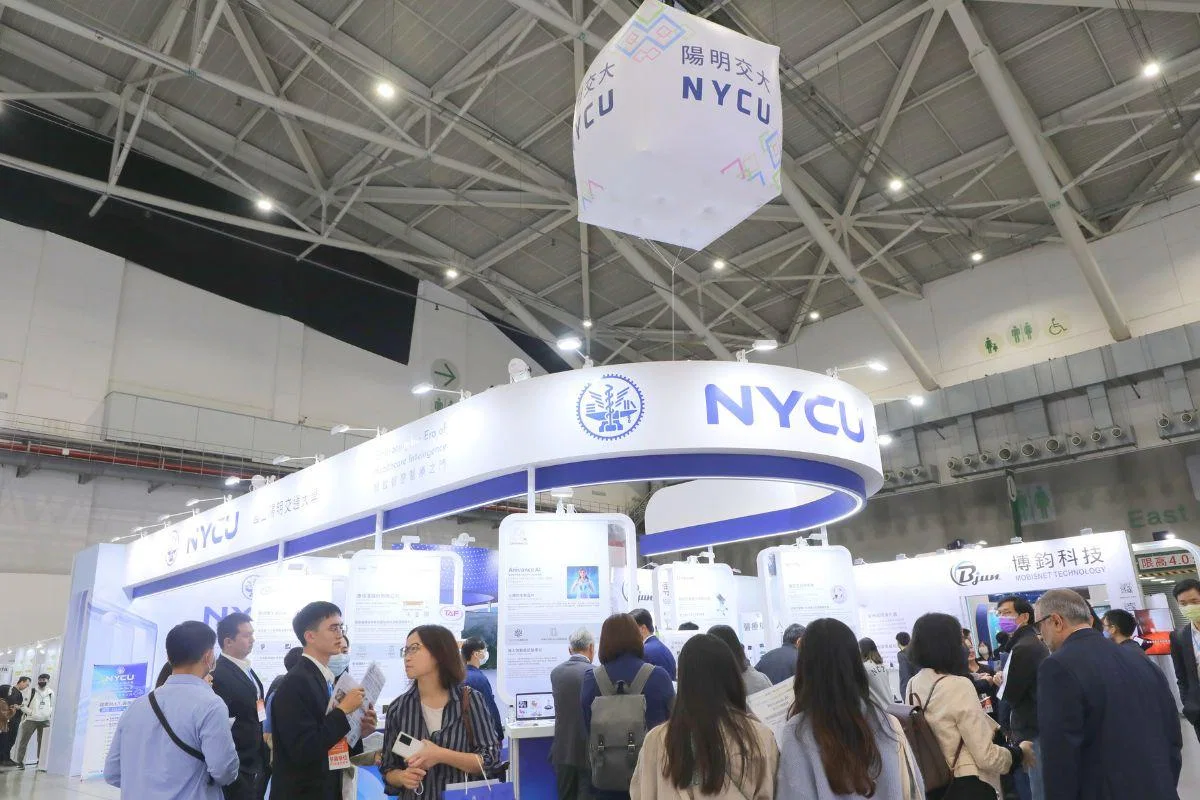
Healthcare buyers are quick to distrust clutter, sloppy claims, or chaotic demos. The booth has to feel clean, credible, and respectful of how serious the category is.
In Reno, Healthcare Trade Show Services works best when private conversation, compliance-minded messaging, and product proof all have a visible place in the room.
Reno as a trade show city
Reno doesn't slow down for late planners. Venues book months ahead, freight is tight, and the industry that lands cleanly is the one with a plan already in hand.
the Reno-Sparks Convention Center includes more than 600,000 square feet of flexible space and 381,000 square feet of exhibit halls.
Reno neighborhoods and event districts
Stateline, South Lake Tahoe, Zephyr Cove form the South Lake Tahoe and Stateline cluster.
South Reno Convention Corridor — Reno, South Reno, Damonte Ranch — is a different environment. Primary large-event cluster centered on the Reno-Sparks Convention Center plus Atlantis, Peppermill, Hyatt Place Reno-Tahoe Airport, and nearby resort inventory.
Who handles what during the Reno install window
The industry then plugs into the right path.
Flexible market, building-specific rules. The industry runs through each venue's policies on docks, security, AV, catering, packages, exhibitor services — early coordination makes the difference.
Where Reno shows actually happen
The venue defines what's possible for the industry. A few Reno buildings host most of the trade show calendar.
A venue walk — in person or via the published floor plan — surfaces what no spec sheet does. Column spacing, real ceiling at the grid point, and dock access set what the industry can actually do.
Lawlor Events Center is one of the anchors.
The venue sits on the UNR campus near downtown Reno with convenient access to Interstate 80 and the airport corridor.
Lawlor Events Center suits arena floor consumer shows, commencement and large assembly events, campus adjacent corporate events, concert and entertainment format activations.
Reno-Sparks Convention Center.
Reno Events Center: the venue offers 118,000 square feet overall and 56,000 square feet of total meeting space.
Scope on a healthcare trade show services project
For this industry, the AV and supervision pieces tend to drive the schedule.
Specific industries pull more from one block than another.
The handoffs on a the services project matter almost as much as the line items. Design has to hand a build-ready drawing to fabrication. Every handoff is a place quality can drop.
The industry stays in production-ready condition between dates.
What sits outside the industry: organizer fees, client staff costs, client-owned tools. Each is named in the contract so there are no billing surprises later.
From first call to strike
Project kickoff: show, floor plan, deadlines, success metrics. Skip any of them and the industry runs on assumptions.
When the venue side is locked, production runs in parallel — build, graphics, AV integration, rental components, and the on-site lead's documented playbook.
Floor ownership during install rests with one person. Labor, graphics, sequence, daily report — all theirs for the duration of the industry's install.
While doors are open, the industry is a live op. Repairs, sponsor changes, lead capture issues, and venue questions all route through the on-site team.
Cost and lead time
Pricing on the industry traces back to real line items — fabrication, print, services, labor, freight, travel.
Six levers drive the quote — build path, footprint, venue service fees, graphics, freight, supervision days. The same square footage on paper can produce wildly different totals depending on how those six are configured.
Plan 4-5 months out for custom builds, 2-3 for rentals. Anything tighter is doable, but the industry pays a rush premium and loses some options.
What a successful project looks like
The industry is judged against those four marks.
The industry feeds those KPIs; it does not replace them.
The industry is the platform; on-floor staff move the numbers. Conversation discipline at the booth is the lever that bends KPIs.
Why Trade Show Services of Reno
Reno-based, full-stack production: fabrication, rental inventory, graphics, and on-site execution for the industry all live in one shop.
The local advantage shows up at the dock. A Reno-based team with its own shop can solve most install-day issues on the industry in the round-trip time of a quick drive across town.
By show four, the industry runs from notes and muscle memory rather than first principles.
Frequently asked questions
Do you work at Greater Nevada Field?
Yes. Greater Nevada Field can host corporate events across the front lawn, field, concourse, kids' area, and other flexible spaces.
How does labor work in Reno?
It runs venue by venue.
How do post-show follow-ups pace for this industry?
Outreach starts within 48 hours, runs through structured cadences for 30 to 60 days, and routes to inside sales or a named account team based on lead score. The booth and the CRM are wired to the same playbook.
Are there industry-specific media or analyst angles to plan for?
Trade publications and industry analysts often cover shows live. Pre-briefings, press kits, and analyst meetings get calendared and staffed alongside the booth plan.
How are sponsorship dollars deployed in this industry?
Branded sessions, hosted dinners, and survey-driven research roundtables typically outperform passive signage. The sponsorship plan is designed around interactions instead of impressions.